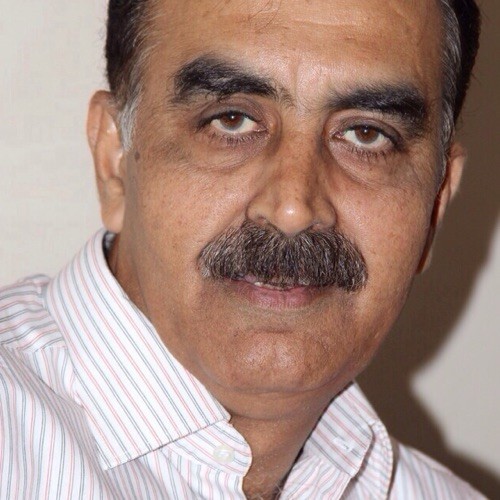
Ayatollah Ali Khamenei was born on April 19, 1939, in Mashhad, into a modest religious family of Azerbaijani background. His father, a respected Shiite scholar, raised him in a conservative environment where religious study began early. As a child, he memorized Qur’anic passages and later pursued advanced seminary education in Mashhad and Qom.
In Qom, he attended lectures by Ruhollah Khomeini, whose revolutionary ideas deeply influenced him. During the rule of Mohammad Reza Pahlavi, Khamenei became politically active, criticizing the monarchy and facing repeated arrests. His activism intensified in the 1960s and 1970s, contributing to the revolutionary momentum that culminated in the 1979 Islamic Revolution.

After the revolution, he held several key positions, including membership in the Revolutionary Council and leadership roles connected to the newly formed Islamic Revolutionary Guard Corps (IRGC). He served as President of Iran from 1981 to 1989 during the Iran–Iraq War and survived an assassination attempt in 1981 that left his right arm partially paralyzed.
Following Khomeini’s death in 1989, Iran’s Assembly of Experts appointed Khamenei as Supreme Leader, despite debates over his clerical rank at the time. His leadership would span more than three decades, making him one of the longest-serving heads of state in the Middle East.
Ideology and Political Vision
Khamenei’s political philosophy centered on Velayat-e Faqih (Guardianship of the Islamic Jurist), the doctrine that grants ultimate authority to a senior religious scholar. He argued that governance must be rooted in Islamic jurisprudence and resistant to foreign domination.
A defining feature of his worldview was opposition to Western political and cultural influence, particularly that of the United States and Israel. He frequently criticized Western liberalism, capitalism, and secularism, portraying them as morally corrosive. At the same time, he framed Iran’s political model as a system blending religious authority with republican institutions.
Khamenei supported Iran’s nuclear program for civilian energy and technological advancement while maintaining that nuclear weapons were religiously forbidden. Economically, he promoted the concept of a “resistance economy,” aimed at reducing dependence on foreign powers and strengthening domestic production amid sanctions.
Domestically, his tenure was marked by strict control over political dissent, media, and social movements. Protests such as the 2009 Green Movement and the 2022 unrest following Mahsa Amini’s death were met with heavy security responses, reflecting his prioritization of regime stability over political liberalization.
Reshaping Iran’s Regional Role
Under Khamenei’s leadership, Iran expanded its military capabilities, particularly in missile technology and drone development. The IRGC evolved into a dominant force not only in defense matters but also in economic and political spheres.
Iran deepened alliances across the Middle East, forming what analysts call the “Axis of Resistance,” including partnerships with actors in Lebanon, Syria, Iraq, and Yemen. This network strengthened Iran’s regional influence but also intensified tensions with rivals.
Sanctions imposed by the United States and its allies significantly affected Iran’s economy, leading to inflation and hardship. Khamenei framed these pressures as evidence of foreign hostility and used them to reinforce the narrative of national resilience and independence.
The Palestinian Issue and Regional Strategy

Support for the Palestinian cause was central to Khamenei’s foreign policy. He positioned Iran as a defender of Palestinian rights and a staunch opponent of Israeli state policies. Annual Quds Day rallies reinforced this commitment, emphasizing solidarity with Palestinians.
Iran provided political, financial, and military support to groups opposed to Israel, a policy that strengthened its regional leverage but also heightened confrontation with Western powers and Gulf states. Khamenei consistently rejected normalization efforts between Israel and several Arab governments, viewing them as undermining Palestinian aspirations.
Death and Political Uncertainty in 2026
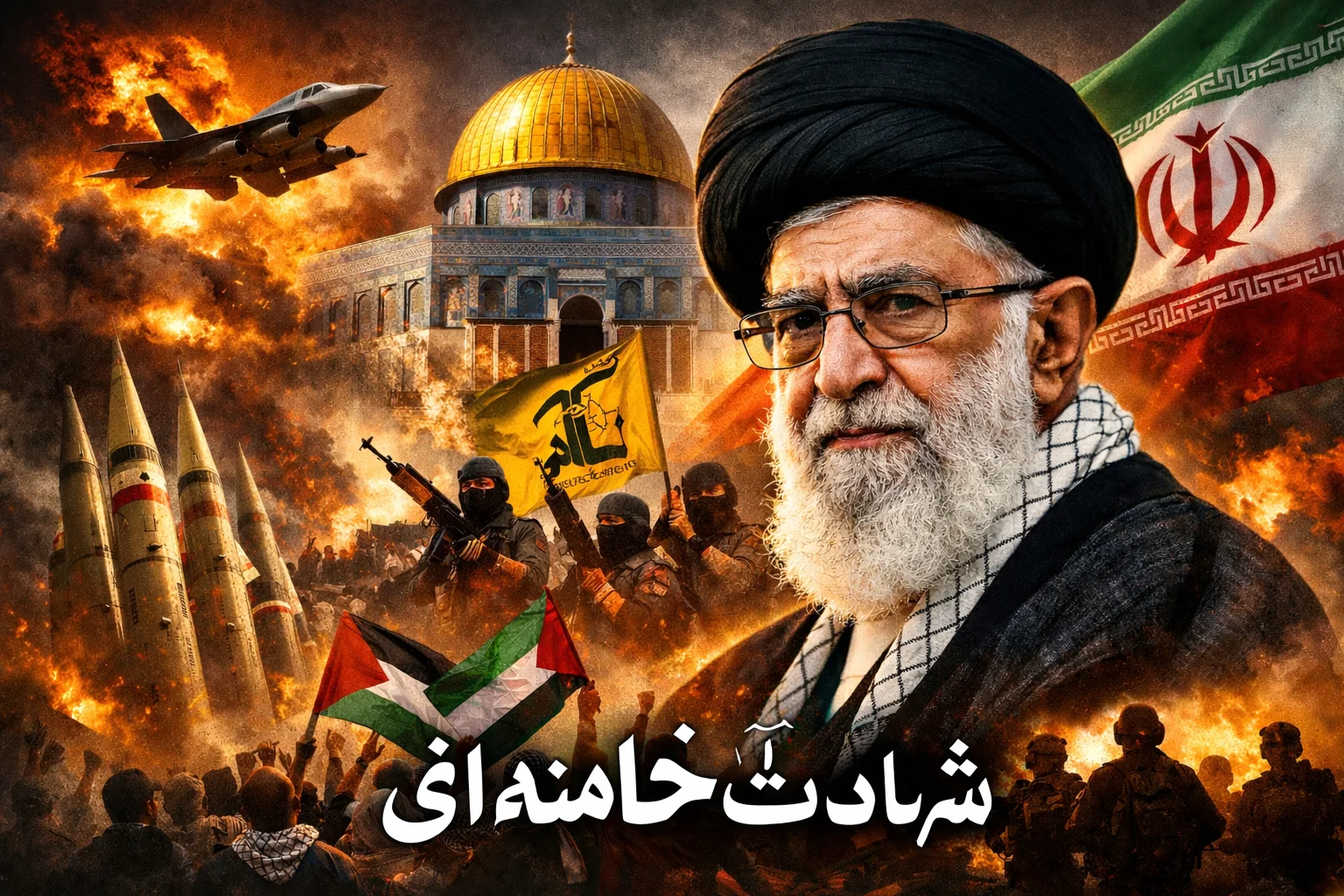
On February 28, 2026, reports confirmed that Khamenei was killed during coordinated military strikes targeting Iranian leadership and infrastructure amid escalating regional conflict. His death triggered immediate geopolitical repercussions, including retaliatory threats and fears of broader war.
Iranian authorities declared a national mourning period of 40 days. Large public gatherings took place in major cities, while reactions abroad were mixed. For supporters, his death marked the loss of a steadfast guardian of the انقلاب (Revolution). For critics, it represented the end of an era defined by repression and confrontation.
His passing created significant uncertainty regarding succession, as Iran’s political system depends heavily on the authority of the Supreme Leader. Interim leadership arrangements were announced while the Assembly of Experts prepared to appoint a successor.
Legacy: Power, Resistance, and Division

Ayatollah Ali Khamenei’s legacy remains complex and deeply polarizing. To supporters, he safeguarded Iran’s sovereignty, strengthened its defense capabilities, and upheld the ideological principles of the Islamic Revolution. To critics, his tenure entrenched authoritarian governance, curtailed freedoms, and isolated Iran internationally.

Over more than three decades, he shaped Iran’s domestic structure, foreign policy, and regional posture in ways that will influence the Middle East for years to come. Whether remembered primarily as a guardian of revolutionary ideals or as a ruler who resisted reform, his leadership defined a decisive chapter in Iran’s modern history.